
Sovereign Wound Coaching
What Are Archetypes?
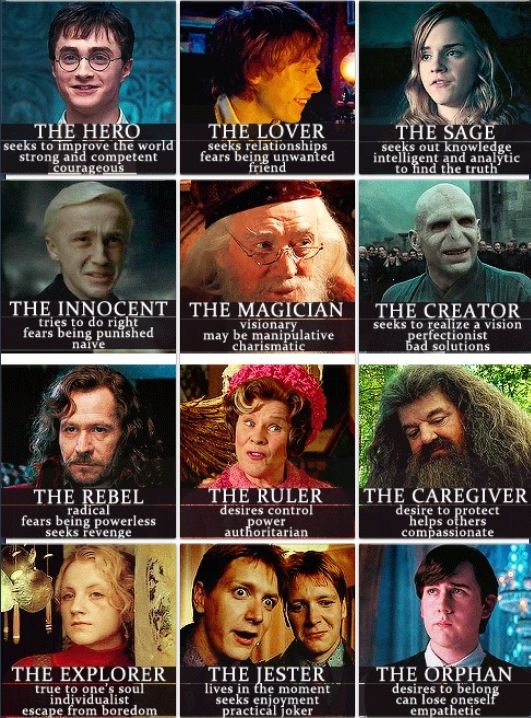
Archetypes are easily recognizable patterns of human behavior that transcend countries and cultures. The image shows 12 archetypes that frequently show up in movies.
The concept of Archetypes was first articulated by Carl Jung, the famous psyciatrist who studdied with Freud. What Jung recognized is that these patterns exist in all of humanity. We each have a bit of us that is an outlaw, an explorer, a creator or awarrior.
Sometimes these patterns emerge early in our lives, while some other patterns such as the Sage may not appear until our elder years.
What is most important about archetypes is that we can bring any archetypal energy into our bidy to deal with a current situation. And we can bring the wrong pattern into this moment if we are not paying attention.
Examples of Archetypes
The Four Masculine Archetypes
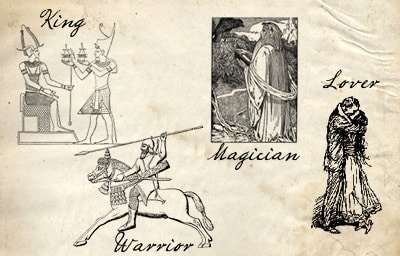 An archetype is a pattern, an abstraction of a type of person that exists in almost all cultures around the world. In the Mankind Project, we work with the four essential archetypes described below.
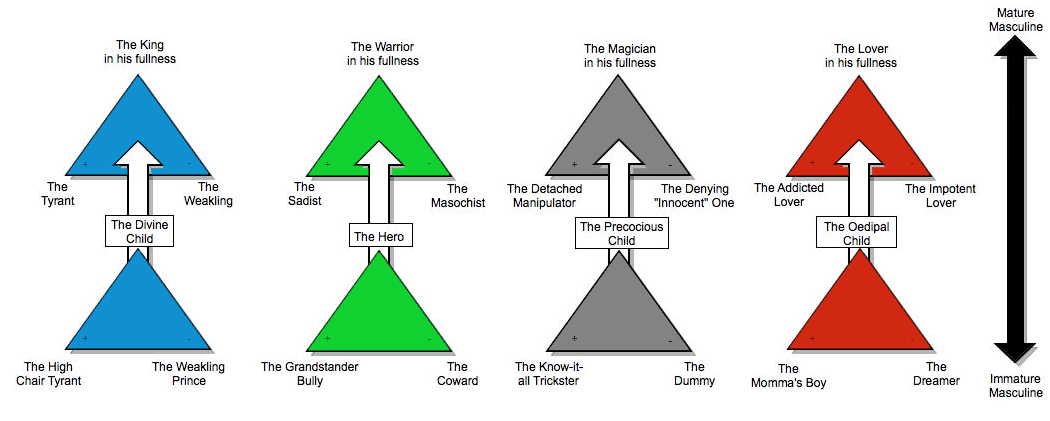
Each archetype can show up as mature or immature, and in both cases as balanced, inflated or deflated.
Lover
The Lover appreciates music, poetry, art, intimacy, nature and anything exthetic. The lover greets the morning with appreciation and anticipation. What new delights will today bring? But if your sovereign is offline, your country suffers.
What does your lover need of your sovereigh?
Warrior
The Warrior archetype is the pattern of getting shit done. It doesn’t matter whether the work to be done is orchestrating a corporate merger or making sure that the house is taken care of and the bills get paid. This is all warrior work.
The Roman soldiers of old spent much more time building roads and forts than they did fighting. And yes, the moden image of a warrior usually involves guns and violence, but that’s what sells tickets.
If your warrior is mature and in his or her fullness, the work will get done without gryping or complaining because getting it done is what needs to happen.
What does your warrior want of your sovereign?
Magician
Your magician is your thinker, your strategian, your alchemist, your wizzard. To many, your magician may appear to think too much. But absent your sovereign, what else can you do but lose yourself in thought?
Your sovereign needs you, but if he is suffering and fighting his own inner deamons, he cannot even hear you when you yell in his ear.
What does your sovereign need of you?
King (Sovereign)
Think about your life for a moment. How many roles do you play? You may have a job. Maybe you coach your kid’s soccer team. And do you belong to a social club like Lions or Rotary?
In each of these roles, your job is different. In some cases, your warrior is needed. In others, your magician is called for.
Where in your life is your soovereign needed?
How well is your sovereign doing his or her job?
What beliefs are limiting your sovereign from returning to his fullness?
These questions are at the heart of healing the sovereign wound.
What is a Sovereign Wound?
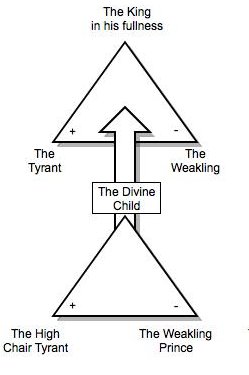 Each archetype can express in multiple ways. The first categorization is mature versus immature or adult versus child. Each of these has three forms: fullness, inflated and deflated.
An inflated King will show up as a tyrant. Donald Trump is an excellent example.
A deflated King will show up as indecisive, weak and confised. Strangely, Donald Trump is also an excellend example. He can be both a tyrant and a confused and ignorant baby.
A sovereign wound will show up as either an inflated or deflated sovereign, so Trump clearly has a deep sovereign wound. And his niece, Mary’s book about him confirms this.
If you want to learn more about Archetypes, the book King, Warrior,Magician, Lover is an excellent source.

Healing Sovereign Wounds
Healing Sovereign wounds is an assisted process that begins by identifying your limiting beliefs. Although your beliefs may feel very real, they are simply thoughts that represent strategies for dealing with uncomfortable or even scary experiences you had at some point in your past. You may have been successfully avoiding these burried experiences, but they have a tendency to leak out in forms that people close to us recognize easily. A single visit to an Alanon meeting will make it obvious that an alcoholic doesn’t want to acknowledge being addicted to alcohol, even though it is quite clear to those around him.
The process we use to “discreate” these limiting beliefs is a bit too complex for this space, but it takes between 20 and 40 minutes to remove a belief and replace it with a new, empowering belief.
This may or may not make a permanent change in you, but there are some simple things you can do to anchor your new beliefs and avoid the ones you want to leave your life. All of this will be explained clearly during your coaching sessions.
Ultimately, as we replace old, limiting beliefs with new, empowering ones, you will feel a shift. We add to this process some work on values and clarifying your mission and purpose. and you may be amazed at how quickly you will experience significant progress.